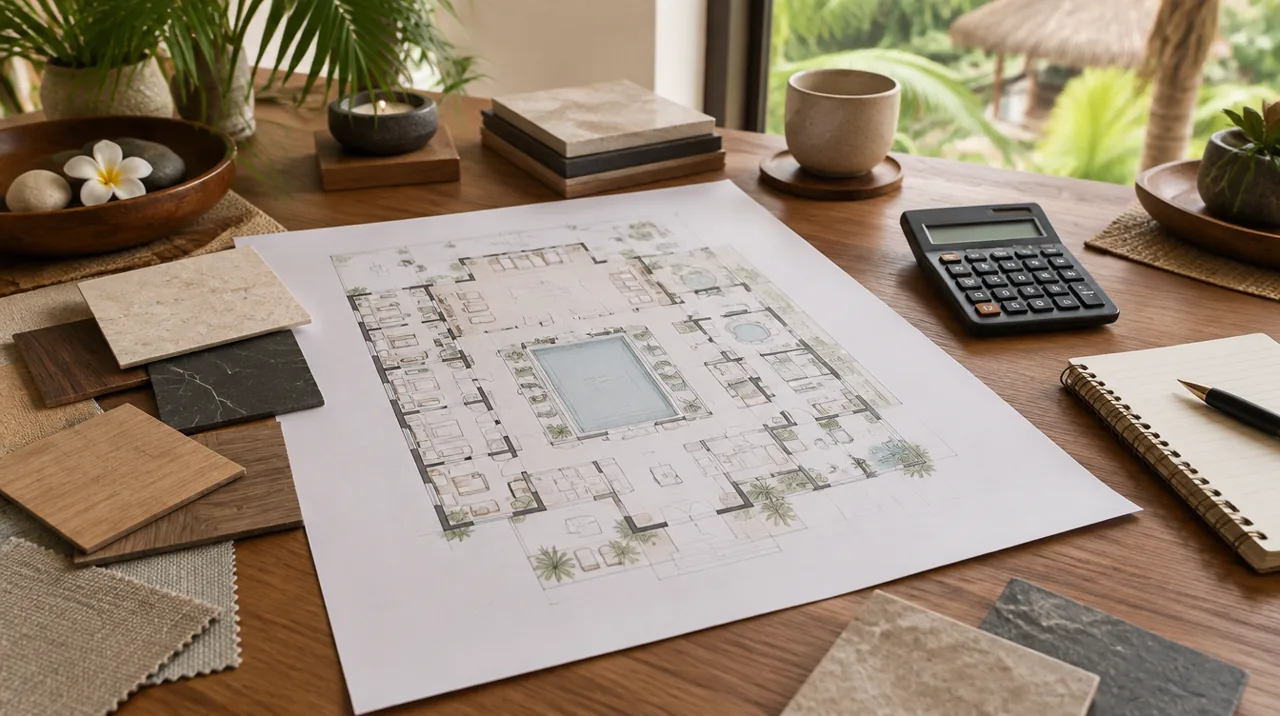
B2B Wellness Consultant Brief: What Owners Should Request
Prepare a clear consulting brief for a hotel or development: inputs, deliverables, responsibilities and a fair way to compare proposals.
Read the guide →5 Elements
Compare three access models, their operating demands and the risk of counting the same wellness revenue twice.
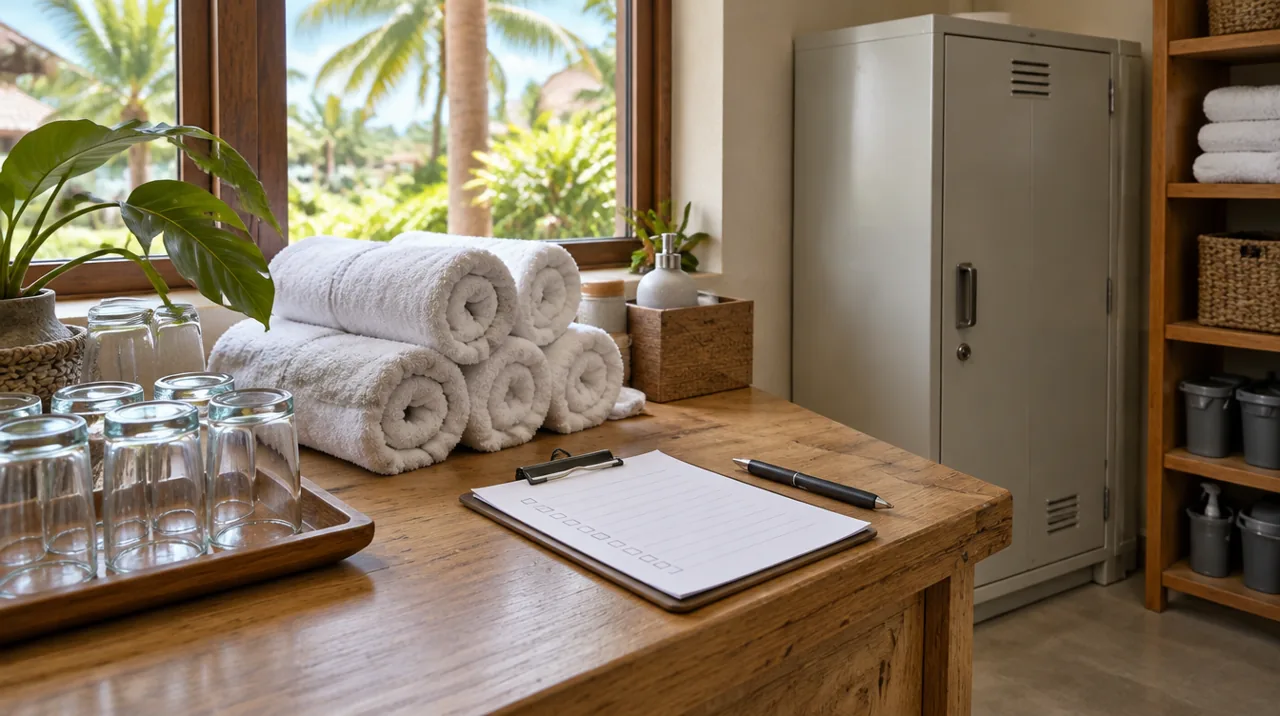
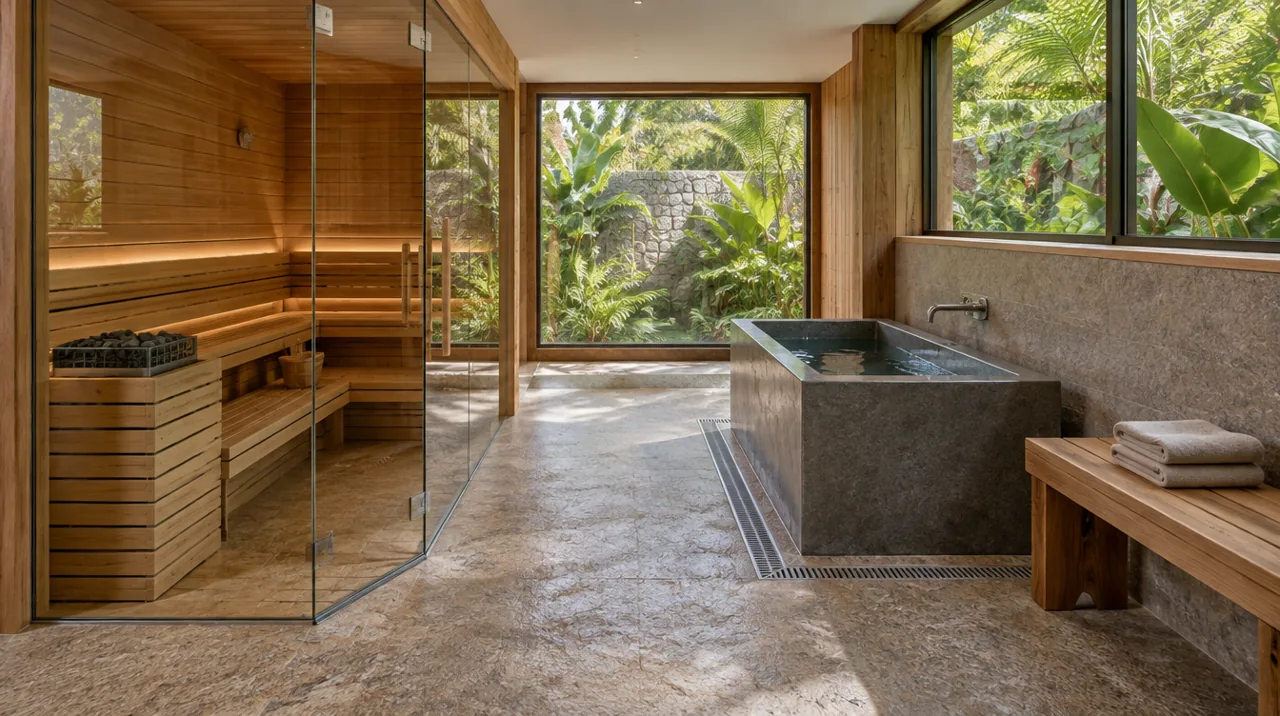
A hotel wellness zone can be included in the room offer, sold through day passes or operated with local memberships. These models make different demands on changing space, booking, privacy and staff. Choose a primary model before fixing the equipment count and floor plan.
No model is universally more profitable. External traffic may generate visible access revenue while reducing the experience promised to staying guests. A quiet exclusive amenity may support the hotel offer while continuing to incur operating costs. Assess the facility in the context of the property.
| Model | Potential value to test | Burden and risk | Initial evidence |
|---|---|---|---|
| Included guest access | Guest experience and package appeal | Fixed costs; room-rate impact is hard to isolate | Usage and booking motivations |
| Day passes | Directly recorded access revenue | Queues, towels, changing and peak-time conflicts | Local demand and cost per visit |
| Memberships | Repeat-user relationships | Peak congestion and access commitments | Visit frequency, retention and booking rules |
Sauna seats are not the capacity of the full guest journey. Include arrival, changing, showering, equipment use, rest, cleaning and reset. Sellable capacity follows the most constrained part of the route and the real opening schedule. Allow for maintenance and interruptions.
Ten reservations are not ten incremental paid visits if some guests already have access in their room package. Separate included visits, paid access, promotions and cancellations. Multiplying every visit by the day-pass price and then adding room revenue can count the same value twice.
Build low, base and high visit cases with consistent definitions of staff, utilities, consumables, laundry, servicing and selling costs. Then change one assumption at a time. A fall in visits while staffing stays fixed often reveals more than a single optimistic annual total.
If the project only works in the high case, consider a smaller first phase or a more adaptable layout. If memberships are central, settle booking limits, guest privileges and busy-period access before selling them. The physical area and the service promise must support the same model.
GWI provides sector context and consulting resources. The comparison above is our planning framework, not a GWI forecast of demand at your hotel.
5 Elements connects the concept with space, equipment and operating preparation through B2B consulting. Use the illustrative feasibility model to record assumptions and the first-90-day dashboard to prepare measurement.
Guides for project decisions
Prepare a clear consulting brief for a hotel or development: inputs, deliverables, responsibilities and a fair way to compare proposals.
Read the guide →Work through capacity, contribution and break-even using clearly hypothetical inputs. No fixed ROI or room-rate uplift is promised.
Read the guide →Translate social bathing, private wellness and thermal circuits into a practical brief for your hotel, resort or villa development.
Read the guide →5 Elements
Start with a introductory project discussion or send us a message on WhatsApp with your project type, location, and timeline.