5 Elements
Validate Bali Hotel Wellness Demand: From Occupancy Data to a Project Brief
Use BPS occupancy data as context, then investigate guest behaviour, seasonality and local demand before designing a wellness zone.
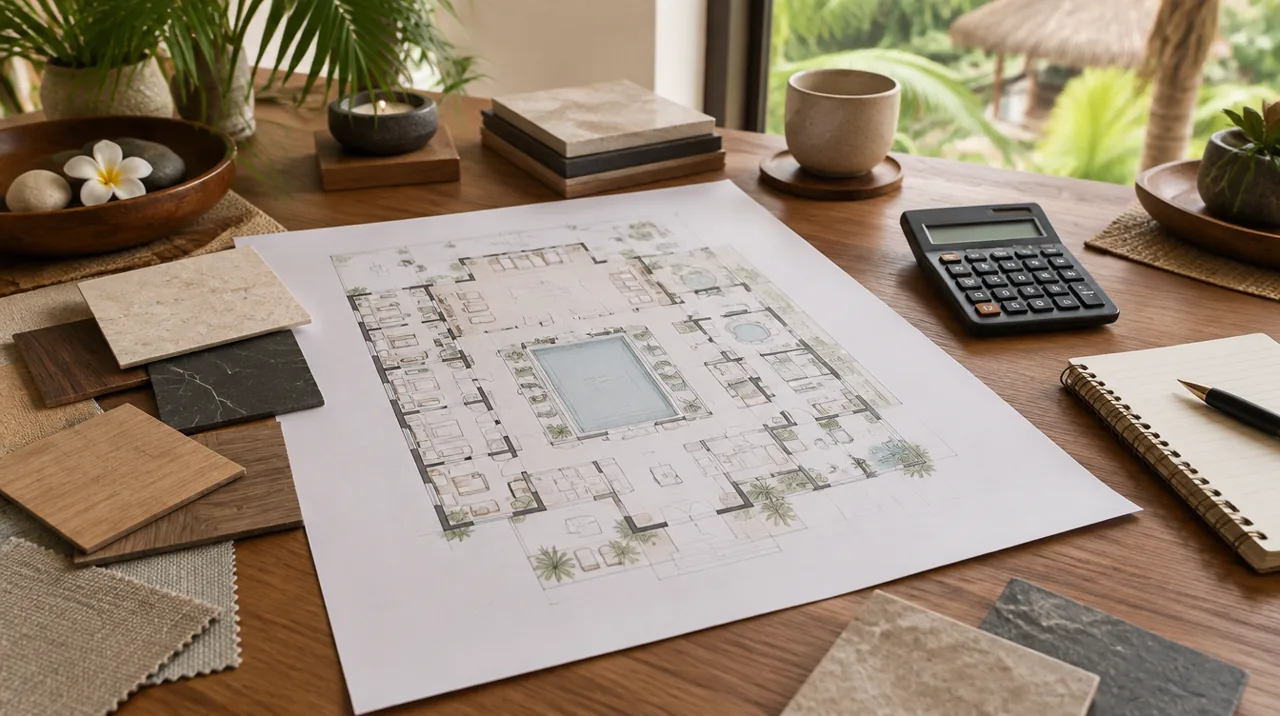
Tourism context is not spa demand
BPS Bali’s classified-hotel occupancy table, updated 1 October 2026, records 68.19% room occupancy in August 2026 and 67.29% in July. A provincial figure is neither your property’s occupancy nor a measure of sauna or cold-plunge demand.
Use it to ask whether the hotel follows the wider market, how its guest mix changes, and whether a new facility would depend on staying guests or local users. Multiplying provincial occupancy by a wellness-pass price does not produce a defensible revenue forecast.
Four layers of project evidence
| Layer | What to examine | Limit |
|---|---|---|
| Provincial market | BPS series, hotel class and month | Not property-level wellness demand |
| Own hotel records | Sold rooms, stay length and guest mix | Staying does not establish wellness use |
| Stated interest | Guest questions and short interviews | Interest is not payment |
| Paid behaviour | Clearly defined pilot offer | A small pilot does not represent a year |
Separate resident guests and local users
For staying guests, review available time, preference for private or shared experiences and what is already included. For local users, consider access, parking, after-work hours and reasons to return. Both groups may want the same peak period.
Hilton’s APAC 2026 outlook discusses multi-generational family travel. Its APAC survey covers six markets and does not include Indonesia. This can prompt questions about accessibility, quiet space and different guest needs; its percentages should not be presented as Bali guest preferences.
Design a test before a major commitment
Write a hypothesis that could be disproved, such as villa guests preferring a private late-afternoon experience. Decide how to record enquiries, the offer shown, people reached, bookings and reasons for declining. If the facility does not exist, test the concept honestly without selling access that is unavailable.
Agree the decision rule before reading results: what evidence would justify proceeding, reducing the scope or waiting? Separate a trial price from a permanent price. Record the month, segment and response source so one group’s interest is not treated as the whole market.
Translate evidence into space priorities
If demand is mainly private, review floor-area cost and reset time before choosing large capacity. If local users dominate, review access and booking rules before memberships. If evidence is weak, resolve the consulting brief and measurement plan before ordering every unit.
Continue with Bali project context, access models and the consulting brief. 5 Elements discusses equipment, design, training and delivery against actual project conditions.