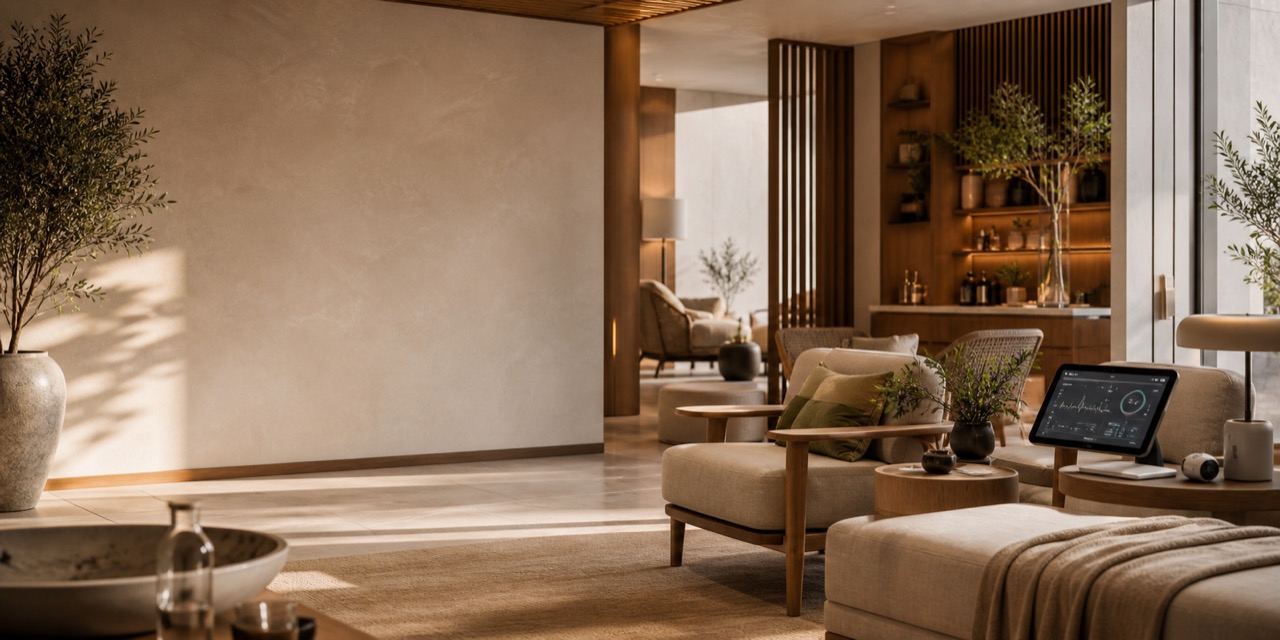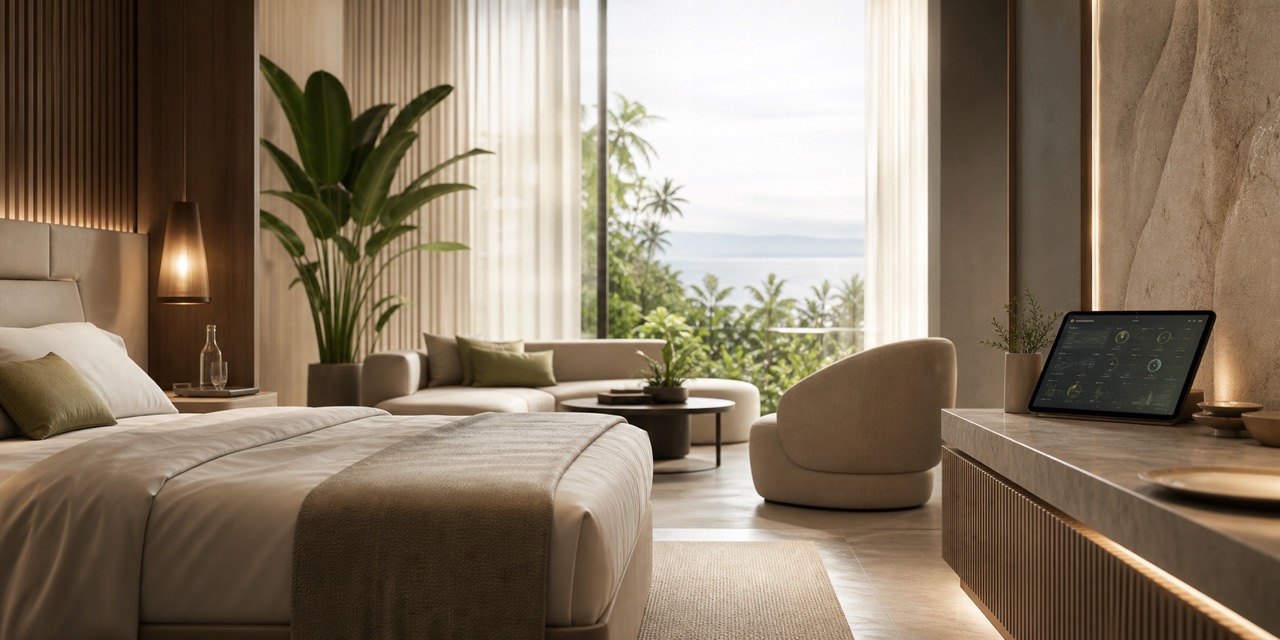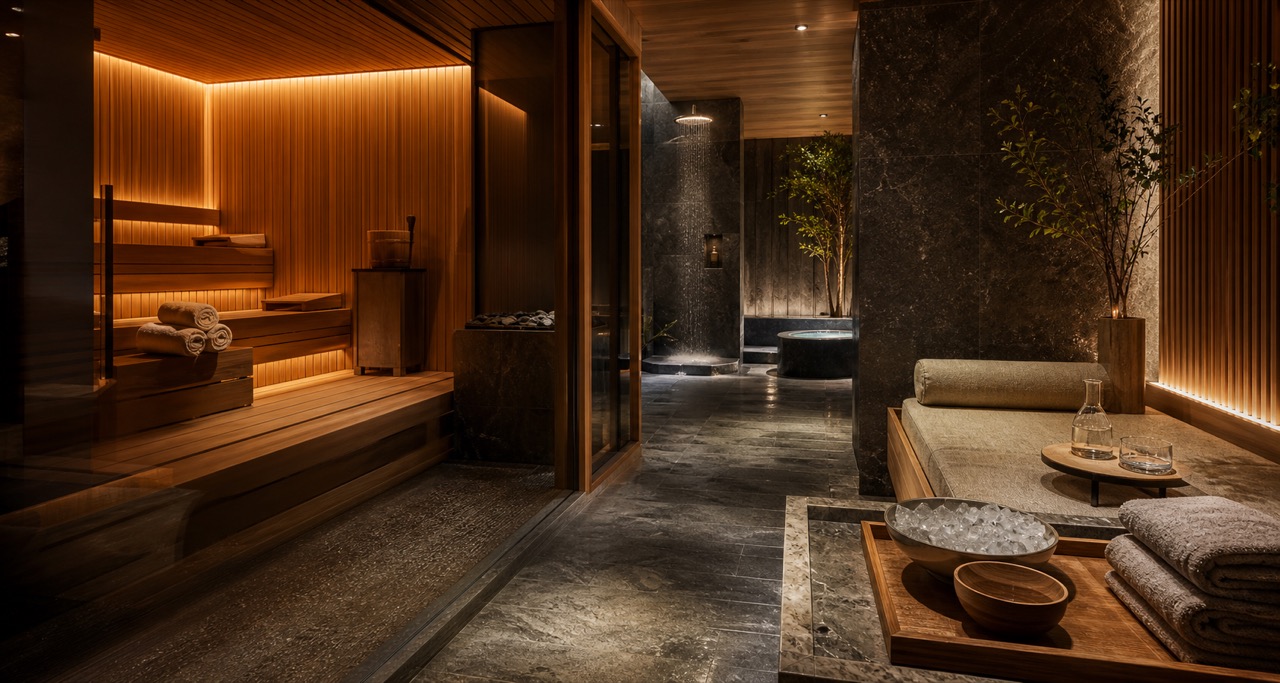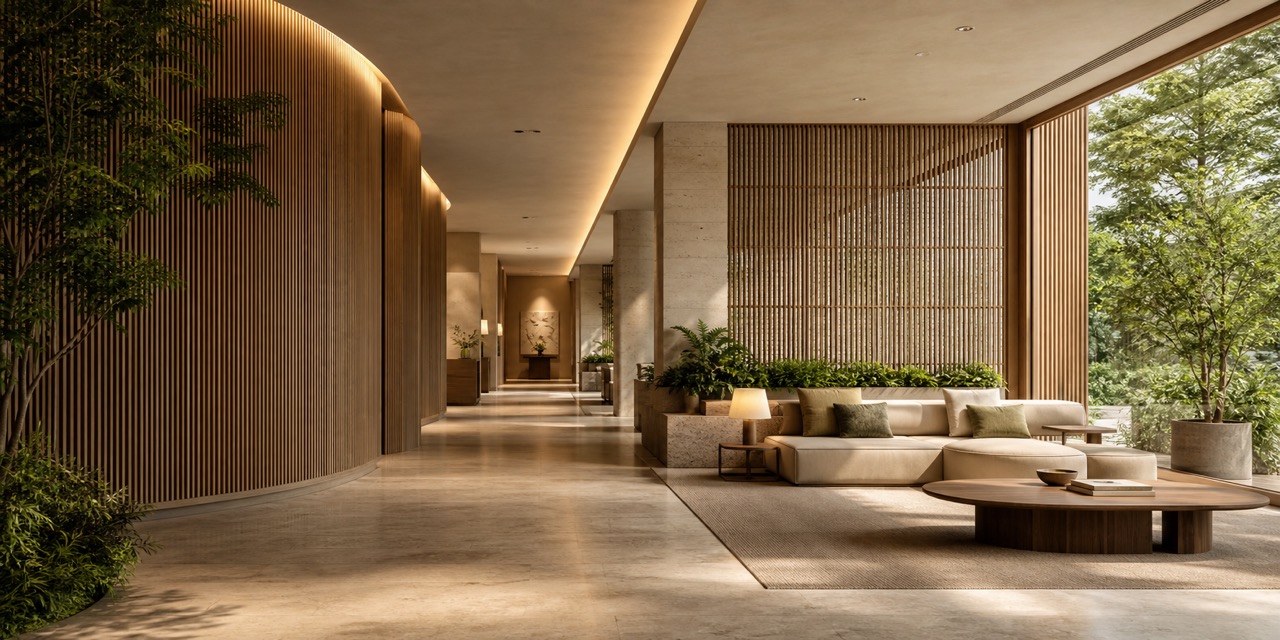
One of the clearest shifts in hospitality wellness is architectural. The value of a property is no longer defined only by room count, finishes, or the presence of a spa. Increasingly, value comes from whether the entire property can support a recovery-oriented guest experience.
That is why Yacademy’s 2026 program on transforming a former hotel into a wellness center is commercially relevant beyond education. It reflects a larger market reality: hospitality is moving from room-as-product toward space-as-wellness-journey.
Why this matters now
According to Parametric Architecture’s May 6, 2026 coverage of Yacademy’s “Architecture for Wellness” program, the workshop centers on reconverting the former Hotel Paradiso in Montecatini Terme into a comprehensive wellness center. The concept includes public areas, spa treatments, physical activity, sensory experiences, meditation, relaxation, and social spaces.
For hotel owners, developers, and designers, that framing matters. It suggests that a wellness concept is strongest when it is not confined to a single department. Instead, wellness becomes part of:
- circulation and movement through the building;
- acoustic comfort and sensory control;
- how public and private zones are balanced;
- whether the property supports both solitude and guided activity.
This is especially relevant for older hotels that need repositioning, boutique properties looking for distinction, and resort assets that need a stronger reason to book.
What wellness architecture means in practice
Wellness architecture is not simply beautiful design with plants and neutral colors. In a commercial hospitality setting, it means the physical environment helps deliver a specific guest outcome.
That can include:
- quiet rooms or low-stimulation areas;
- recovery suites;
- treatment and movement spaces that flow naturally together;
- natural light and material strategies that reduce sensory fatigue;
- multi-use spaces for breathwork, stretching, sound, or small-group sessions.
The strongest wellness properties are often the ones where the guest can feel a coherent rhythm from arrival to departure. That rhythm has commercial value because it makes the property easier to describe, easier to market, and easier to remember.
How operators and developers can apply this
The most common mistake is to isolate wellness in one corner of the property and expect the concept to carry commercial weight on its own. A more effective approach is to ask where the building already has latent wellness value.
For example:
- Can an underused lounge become a recovery zone?
- Can a secondary meeting room become a movement studio in off-peak hours?
- Can part of the room inventory be repositioned as sleep-optimized or private wellness suites?
- Can circulation routes support a calmer, more intentional guest experience?
This matters because many wellness upgrades do not require rebuilding the entire asset. In some cases, the more valuable move is selective spatial repositioning tied to a clearer revenue model.
Where the business case becomes real
Wellness architecture only works as a business strategy when the spatial concept connects to monetizable use cases.
Those can include:
- day passes;
- private recovery bookings;
- retreat packages;
- wellness room categories;
- corporate reset formats;
- premium short-stay products.
The more clearly a space supports a bookable scenario, the easier it becomes to justify investment. A room is not just a room if it can be sold as a sleep-oriented suite. A quiet lounge is not just a lounge if it becomes part of a reset journey that increases dwell time and guest spend.
Risks and limitations
The Yacademy case is an architectural and educational signal, not proof of ROI. It shows where design thinking is moving, but it does not prove occupancy uplift or payback periods.
That means operators should stay disciplined. A wellness repositioning strategy can fail when:
- the concept is visually attractive but operationally weak;
- space is redesigned without a product strategy;
- staffing and programming are not matched to the layout;
- the property assumes wellness demand without testing it.
The strongest projects begin with guest scenario and unit economics, not design aesthetics alone.
What to do next
If you are considering converting part of a hotel into a wellness-led experience, start by mapping the asset through a product lens.
- Identify spaces that are underused, acoustically strong, or easy to reprogram.
- Match each candidate space to a clear guest use case.
- Prioritize low-complexity formats that can be tested quickly.
- Build one pilot concept before committing to full repositioning.
- Measure demand through bookings, average spend, and repeat use.
This approach helps turn wellness architecture into a commercially testable concept rather than a purely aesthetic idea.
Conclusion
The future of wellness hospitality is not only about adding more services. It is about designing assets that can deliver a more coherent recovery experience. That is why converting a hotel into a wellness space can be a strong strategic move when the architecture, guest flow, and revenue logic align.
The market will reward properties that treat space as part of the product, not just as a backdrop for it.
FAQ
Does converting a hotel into a wellness space always require major renovation?
No. Many properties can begin with selective repositioning of existing spaces before moving into larger capital projects.
What types of hotels are the best fit for this strategy?
Boutique hotels, resort assets, urban retreat concepts, and aging hotels in need of repositioning are often the strongest fit.
Is design alone enough to create a successful wellness concept?
No. Design has to connect to programming, operations, pricing, and a bookable guest scenario.
What should owners test before investing heavily?
Test whether guests will actually pay for the wellness experience through room upgrades, private bookings, day access, or retreat-style packages.
Sources
- Parametric Architecture, “Architecture for Wellness at Yacademy: Transform a former hotel into a space for wellness,” May 6, 2026: https://parametric-architecture.com/architecture-for-wellness-yacademy/