For years, many hotels tried to grow wellness revenue by adding facilities. A spa, a pool, a sauna, a treatment room. That still matters, but it is no longer enough on its own. Guests increasingly respond to wellness that feels active, social, seasonal, and tied to a specific story.
That is why programming built around experiences such as wild swimming, guided recovery, contrast rituals, and event-led spa formats deserves attention. Even when individual news items are local or seasonal, they point to a larger commercial shift: guests do not just book access. They book a recovery scenario.
Why this matters now
The source material around a Lake District hotel’s summer lineup, including “spa-rtys” and wild swimming, reflects a broader movement in hospitality. Supporting market examples across the Lake District also show growing demand for guided wild swimming, swim-led breaks, and outdoor recovery formats connected to hotel stays.
For operators, that matters because these programs can:
- create more reason to book a short stay;
- make wellness easier to market in social and PR channels;
- monetize local landscape and seasonality;
- attract guests who are not motivated by treatment-led spa alone.
This is especially useful for boutique hotels, countryside resorts, lake properties, and leisure-led destinations.
What active recovery means in hospitality
Active recovery is not simply exercise. In hospitality, it means building bookable formats around movement, nature, contrast, and restoration.
Examples can include:
- guided wild swimming;
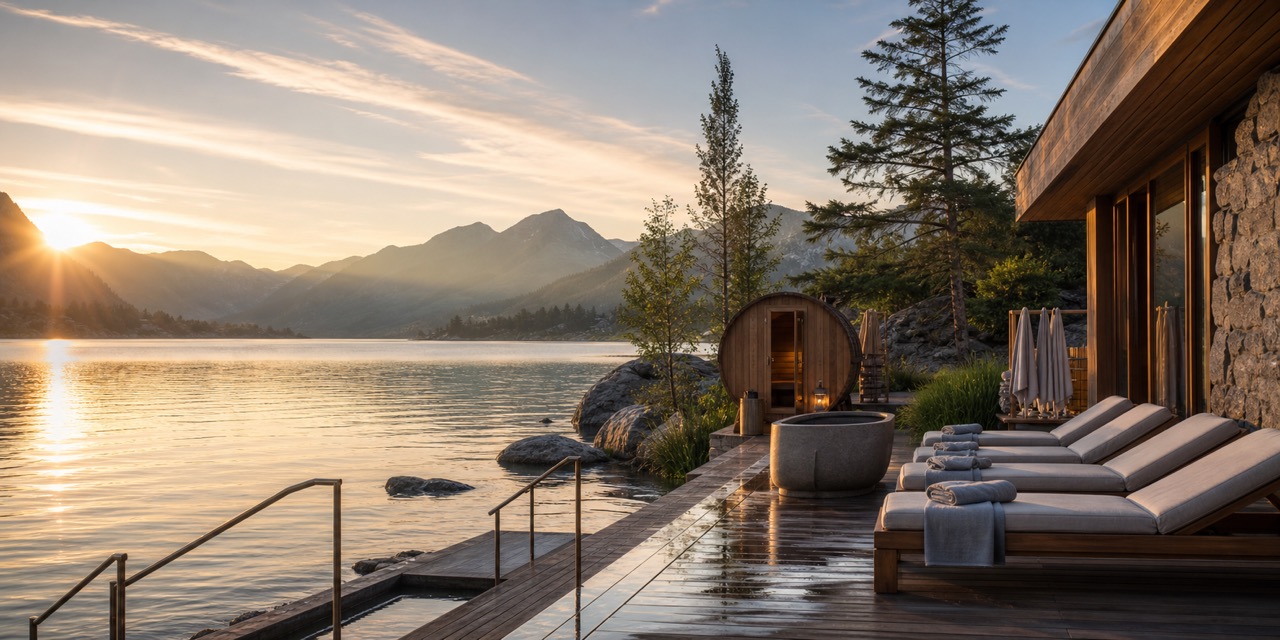
- sauna and cold-water rituals;
- mobility or breathwork sessions;
- evening social spa events;
- sunrise lake or coastal recovery packages;
- short outdoor reset itineraries.
The commercial power comes from packaging. Once the experience has a schedule, a setting, and a clear use case, it becomes easier for guests to understand and buy.
How hotels can apply this without heavy CAPEX
One of the best things about active recovery programming is that it can often start with modest capital investment. Many hotels already have the landscape, the access, or some of the thermal and food-and-beverage infrastructure needed to test the format.
A practical pilot might include:
- one or two hero experiences over a four- to six-week period;
- a clear safety protocol;
- a partner instructor or local specialist;
- a package that combines activity, recovery, and refreshment;
- targeted promotion around weekends, retreats, or short breaks.
That is often enough to test whether guests are buying the story, not just the room.
Where the revenue logic sits
Active recovery experiences can support multiple revenue channels at once:
- direct room bookings;
- paid add-ons;
- F&B uplift;
- spa utilization;
- event or retreat sales;
- local day-guest participation.
They also create marketing value because guests are more likely to share a memorable recovery format than a generic amenity.
For properties in strong natural settings, this is especially attractive because the surrounding environment becomes part of the product without requiring a full spa expansion.
Risks and limitations
This category is not frictionless. Operators have to manage:
- water safety;
- insurance and liability;
- weather and seasonality;
- instructor quality;
- whether interest is repeatable or only novelty-driven.
That means the right approach is pilot-first. A good-looking idea can still fail if the operations are weak or the demand is too event-driven to scale.
What operators should do next
If your property has access to nature, water, or strong outdoor identity, test one active recovery format before building a bigger calendar.
- Choose one experience with strong fit to your location.
- Design a simple package around timing, safety, and recovery.
- Partner with qualified local operators where needed.
- Launch as a limited seasonal pilot.
- Measure bookings, add-on spend, guest feedback, and content performance.
This helps determine whether the concept deserves expansion into a larger wellness program.
Conclusion
The shift from passive spa use to active recovery experience is one of the more practical opportunities in hospitality wellness. Guests increasingly want a story they can enter, not just a facility they can access.
Hotels that understand this can turn nature, ritual, movement, and social programming into bookable formats that feel more contemporary and commercially useful than generic spa access alone.
FAQ
What is an active recovery experience in a hotel context?
It is a structured wellness format built around guided activity, nature, recovery, and restoration rather than only passive facility access.
Do hotels need a full spa to offer this?
No. Many active recovery pilots can start with location, partnerships, programming, and modest supporting infrastructure.
Which properties are the best fit?
Boutique hotels, countryside resorts, lake properties, and leisure destinations with strong environmental identity are often the best fit.
What should operators test first?
Test one seasonal or hero experience with clear safety and packaging before trying to build a full year-round program.
Sources
- User-provided source summary based on Nwemail.co.uk, “From 'spa-rtys' to wild swimming: Lake District hotel launches summer line-up,” May 11, 2026
- Another Place, The Lake, wild swimming and hotel programming pages: https://another.place/the-lake/hotel/ and https://another.place/the-lake/breaks-offers/wild-swim-camp
- Visit Lake District, “Wild Swimming – The Swan Hotel & Spa”: https://www.visitlakedistrict.com/whats-on/wild-swimming-thursday-21st-may-p2535631